Blog
What is an Electrical Overload and How to Prevent It
Updated on Feb 2025
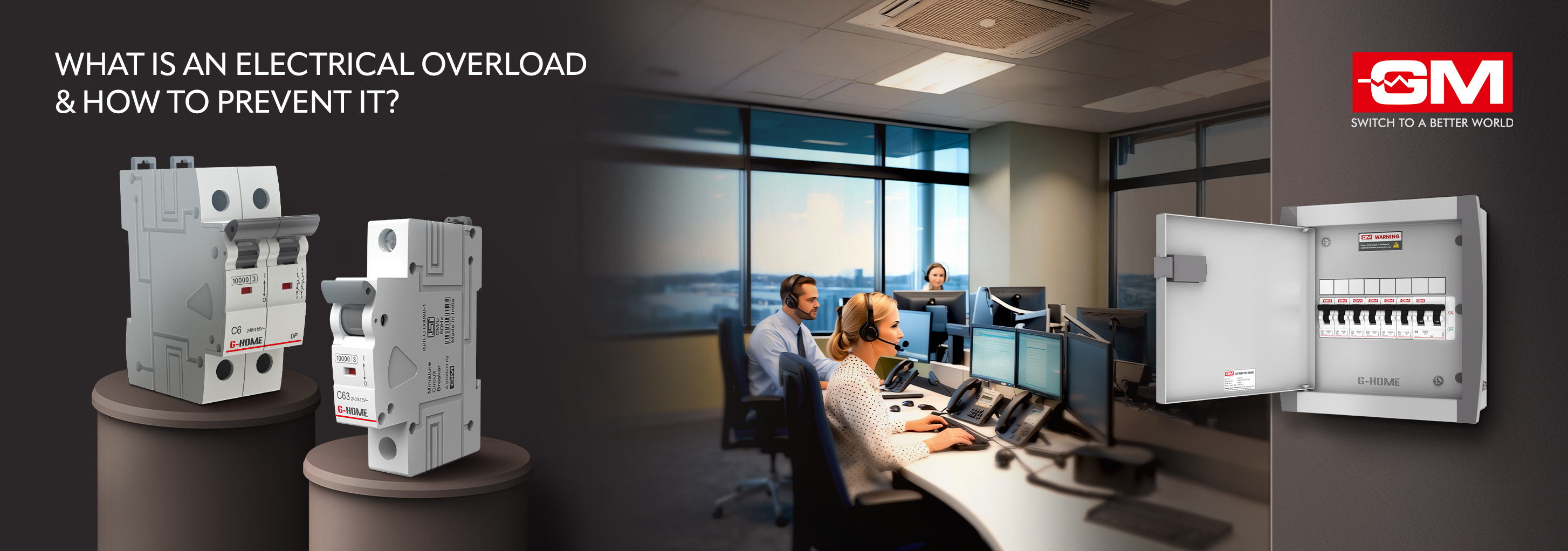
Electrical overload is a common issue that can lead to serious problems, including the risk of fires and damage to appliances. This blog delves into what causes electrical overload and provides practical tips on how to prevent it, ensuring the safety and efficiency of your home's electrical system.
Understanding Electrical Overload
An electrical overload occurs when more electrical current passes through a circuit than it can safely handle. This condition can cause the wiring to overheat, potentially leading to a fire. Common signs include tripped circuit breakers, flickering lights, and unusual buzzing or sizzling sounds from electrical outlets. It typically happens due to excessive demand placed on the circuit by running too many appliances simultaneously or by faulty or aged electrical components.
Common Causes of Electrical Overload
Understanding the reasons behind electrical overload is essential for prevention. This section explores the most frequent causes, including excessive demand for circuits, ageing infrastructure, and faulty electrical devices, which can compromise the safety of your home.
-
Excessive Demand
Plugging too many high-wattage devices into one circuit can exceed the current capacity of the wiring. -
Faulty Appliances or Wiring
Old or damaged wires or malfunctioning appliances can draw more power, leading to overload. -
Inadequate Circuit Design
Improperly designed electrical circuits that do not appropriately distribute the electrical load can easily become overloaded.
Strategies to Prevent Electrical Overload
To safeguard your home from the dangers of electrical overload, implementing effective strategies is crucial. This part of the blog outlines actionable steps such as system upgrades, proper appliance distribution, and routine maintenance to ensure your electrical system functions safely and efficiently.
Assess Your Electrical Needs
Regularly review the power requirements of your appliances and ensure they are appropriately distributed across different circuits. Avoid plugging too many high-energy devices into the same outlet.
Upgrade Your Electrical System
For older homes, it's crucial to have a professional electrician inspect and possibly upgrade the wiring and circuit breaker panel to handle modern electrical demands safely.
Install Adequate Circuit Breakers
Circuit breakers are designed to automatically shut off electrical power when they detect an overload, preventing damage and potential fires. Ensure your home is equipped with the correct type of circuit breakers that match your electrical needs.
Use Surge Protectors
Surge protectors can help manage the flow of electricity and prevent spikes that may lead to overload. They are particularly important for protecting high-value electronics and appliances.
Regular Maintenance
Schedule regular inspections with a qualified electrician to identify and resolve potential problems before they lead to serious issues. This includes checking for and repairing any damaged wires or components.
Educate Your Household
Ensure everyone in your home understands the risks of electrical overload and the importance of using electrical appliances wisely. Simple practices like unplugging devices when not in use and not overloading outlets can make a significant difference.
Electrical overload is a preventable risk that requires awareness and proactive management of your home’s electrical system. By understanding the causes and implementing measures to distribute electrical consumption evenly, you can protect your home from the dangers of overload. Regular checks and upgrades by professional electricians play a crucial role in ensuring that your electrical system is safe, efficient, and capable of meeting your daily needs without the risk of overload.
Related Blogs

Hot Showers vs Cold Showers: Which One Is Better For Your Health?
Every day, millions choose between turning the tap to hot or cold, often based on comfort, the season, or habit. But did you know the temperature of your shower has a real, measurable impact on your body, mood, and even recovery? In other words, choo
Read More
Types of Ceiling Fans: Features, Benefits, and Best Uses
Ceiling fans have evolved significantly from being merely functional household appliances to becoming stylish, energy-efficient, and technologically integrated additions to modern homes. From helping you redefine how your space looks to ensuring that
Read More
COB Light vs Panel Light: Understanding the Differences
Lighting has always done more than just light up the space for us. Especially in today's homes, equipped with modern amenities, lighting is not just about another function, but about how it feels. From setting the mood of a living room to ensuring th
Read More
Best GM Exhaust Fans to Buy for Kitchens & Bathrooms in 2025
Good ventilation isn't just about comfort and clean air circulation, but about creating a healthier home environment for your family living in the home. Whether you're dealing with steam from hot showers, cooking odors that linger for hours, or humid
Read More